
Pokemon
Collector says his $660,000 PSA 10 Shiny Rayquaza is a fake
November 4, 2026
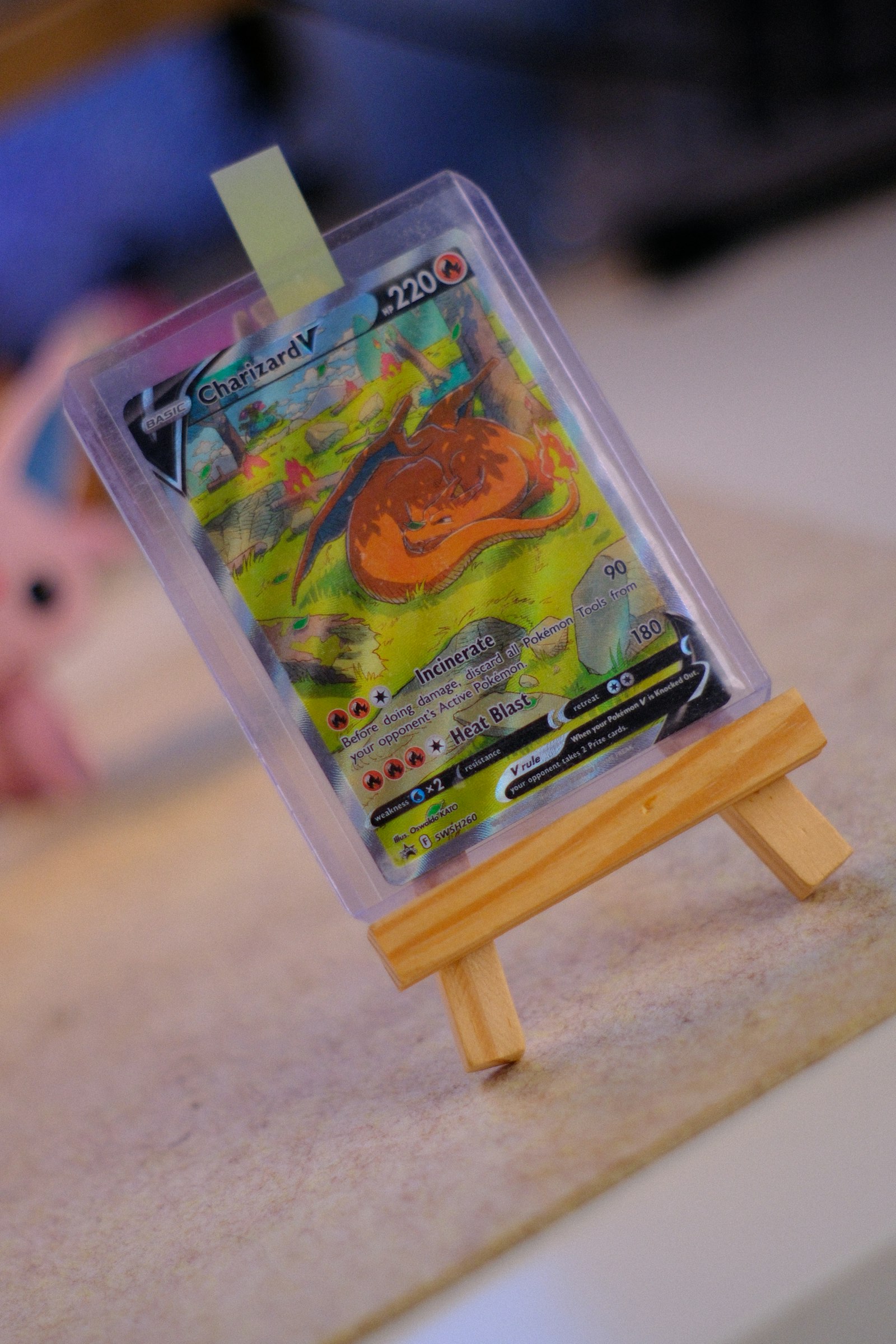
Pokémon collector Jesse Peng says a PSA 10 2011 Call of Legends Shiny Rayquaza he paid more than $660,000 for is fake, Dexerto reported on Nov. 3. Peng, who has collected for about 25 years, laid out his findings in a YouTube video.
Peng says the card and the label look real. He says the problem is the “fugitive ink” on the slab, which does not match the authentic version on other slabs in his collection. PSA had not commented publicly in the report we reviewed.
What Peng says he found
Peng looked into the card’s background after buying it, per Dexerto. He compared the slab to others he owns.
“The card is real, the label is real, the only thing that they couldn’t do is get the fugitive ink right,” Peng said, according to Dexerto.
Peng’s point is that the label ink is the one part the forgers missed. In our view, a mismatch there would suggest the holder was tampered with or rebuilt. Dexerto’s report does not say whether Peng thinks a lower-grade card was put in a PSA 10 holder or how the slab was made.
Peng also said his own system flagged the card as fake. Dexerto did not describe how that system works.
The seller
Dexerto said the card came from a seller described as a “well respect middle man” in the TCG world. According to the report, that seller held just under $2 million in cryptocurrency. That figure includes the $660,000 from this sale and money from other sales. Dexerto’s report does not name the seller.
Peng said greed has hurt the hobby in recent months, per Dexerto. He said he is thinking about quitting collecting. The owner of the PDGR channel, which is credited in the video, said he is “coming after you scammers” with his app and verification tools.
Why it matters
This is a single collector’s claim. It has not been confirmed by PSA or by police in any report we found. Still, it targets the thing high-end buyers rely on most: the slab itself.
Most fake-slab warnings involve cheaper cards. A claimed fake at more than $660,000 is a different scale. In our view, it shows that a matching cert number and a clean label are no longer enough at the top of the market.
It also comes as the hobby is already on edge about stolen and resold slabs after the PSA/FedEx theft in October.
By the numbers
- $660,000+: what Peng says he paid
- 2011: year of the Call of Legends set
- PSA 10: the grade on the slab
- ~25 years: how long Peng has collected, per Dexerto
- ~$2 million: crypto the seller reportedly held from this and other sales
What collectors should do
- Compare slab security features against holders you know are real, not just the cert lookup.
- Ask PSA to inspect any high-value slab you doubt before you pay.
- Use escrow or an auction house for big private deals. Crypto payments are hard to recover.
- Keep records of who you bought from and how you paid.
Sources: Dexerto (Nov. 3, 2026)
Featured image: Photo by Alex de Koning on Unsplash
Your call
How big a deal is this?
Your reaction
Latest News
Auctions Ending Today: 2022-23 Topps Merlin Chrome UCC Cristiano Sits at $5,000
70 single-card auctions above $5,000 close on eBay today, topped by a...
Magic’s Star Trek prerelease opens with a signed Picard chase and collector boxes far above MSRP
Magic: The Gathering’s Star Trek set opens prerelease Nov. 6. Collector box...
Delta Reign launches with booster boxes near $225 and its Mega Rayquaza chase already sliding
Pokémon’s Delta Reign hits shelves Nov. 6. Booster boxes trade near $225,...
An Aaron Judge jersey keeps its Gold Logoman patch, and that is news for card collectors
MeiGray is selling Aaron Judge’s 469-foot home run jersey with its Gold...